

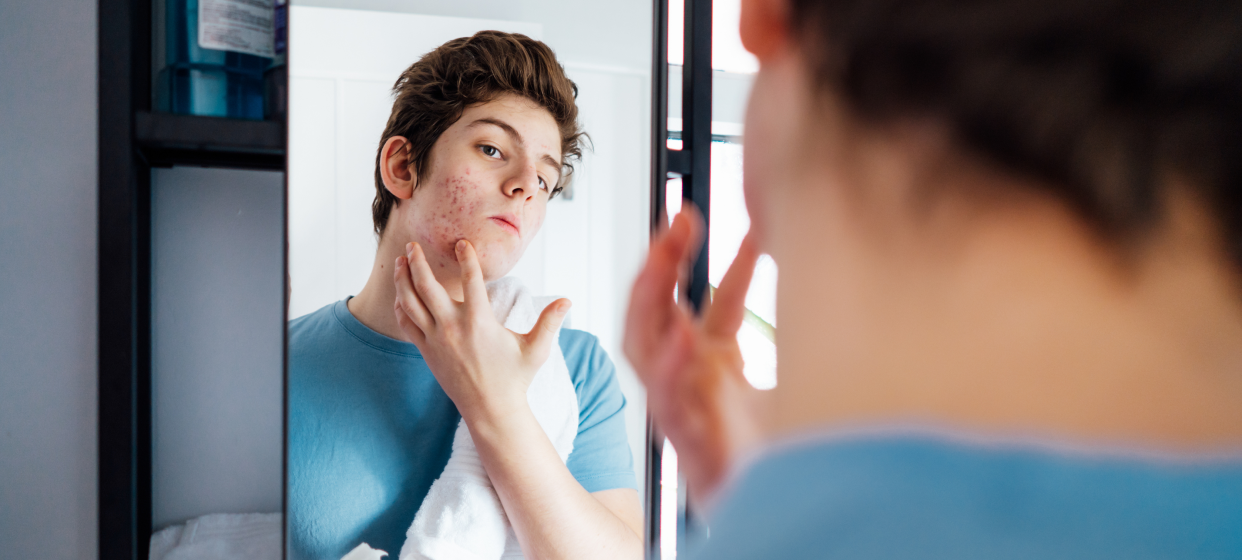
As summer ends and teenagers head back to school, many are excited to see friends, meet new teachers, and start fresh. But for some, this time of year can also bring stress, especially if they are dealing with acne. Acne is very common during the teen years, yet it can still feel embarrassing or hard to manage. The good news is that acne can be treated, and help is available. One important and often overlooked resource is your local pharmacist.
Acne is a skin condition that happens when pores become clogged with oil and dead skin cells. It often appears as blackheads, whiteheads, pimples, or even deeper cysts on the face, chest, shoulders, and back.
Acne is extremely common, especially among teenagers. Many teens will notice acne starting around puberty, and it may last for several years. In fact, studies show that about 85% of people between ages 12 and 24 experience acne. During puberty, the body produces additional hormones, which cause the skin’s oil glands to become more active and produce more oil. When this oil mixes with dead skin cells, it can clog pores and lead to acne.
The return to school can make acne feel more noticeable. Teens may worry about their appearance, especially when seeing classmates after the summer break. Acne is not just a physical condition. It can also affect emotions, including self-esteem and confidence. Back-to-school stress can also trigger acne flare-ups. Stress is known to make acne worse for some people. Changes in routine such as less sleep, new schedules, or different skincare habits can also affect the skin.
While hormones are a major cause of acne, there are several other factors that can make it worse, including bacteria, clogged pores, and certain skincare products. There are many ways to treat acne, including over-the-counter products like benzoyl peroxide and salicylic acid, as well as prescription treatments such as retinoids, antibiotics, and hormonal treatments. Remind your teenager to wash their face gently, avoid picking at pimples, choose oil-free products, and keep skin clean, especially after sweating. It’s important for teens to understand that acne is not caused by poor hygiene. Washing too often or using harsh products can make acne worse.
Pharmacists can assess acne and recommend treatments. In some provinces, pharmacists can prescribe medications for acne. This means teens may not need to wait for a doctor’s appointment to start treatment. Pharmacists provide personalized advice and help teens find the right skincare routine. If acne is severe, painful, or causing emotional distress, it is important to seek care from a healthcare provider. Severe acne can cause scarring when not treated appropriately.
Acne is common and treatable. With the right support, teens can feel confident returning to school.